
Educational Tours & Excursions for
UK Primary Schools, Secondary Schools, 6th Form Colleges, Universities & International Student Groups
 NEED MORE INFO? CALL US
+44 (0) 12737 647 716
 LET US KNOW ABOUT YOU


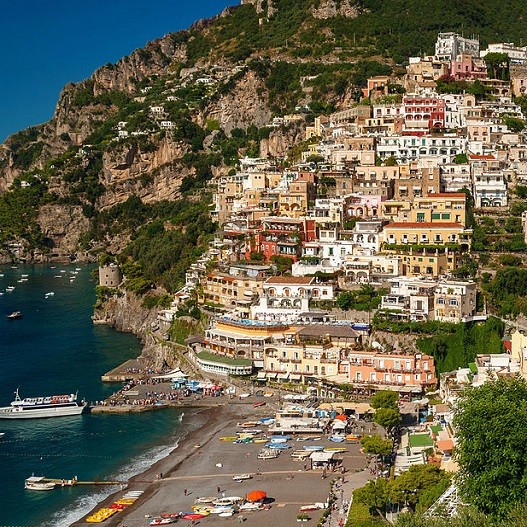
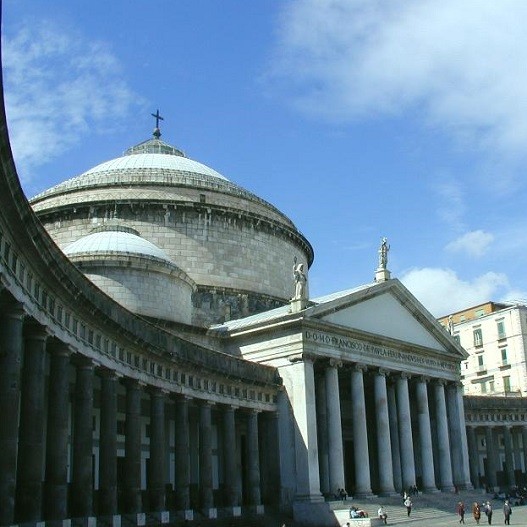
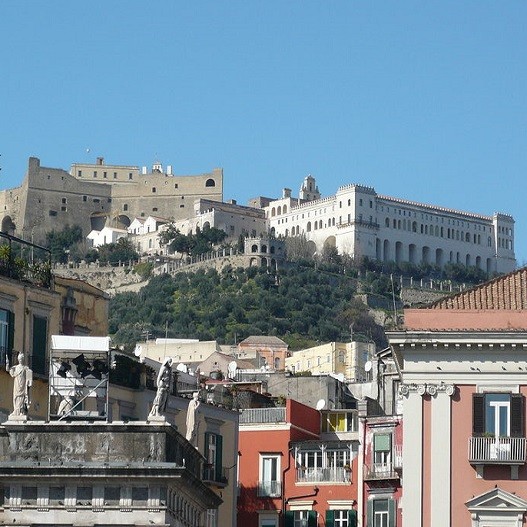
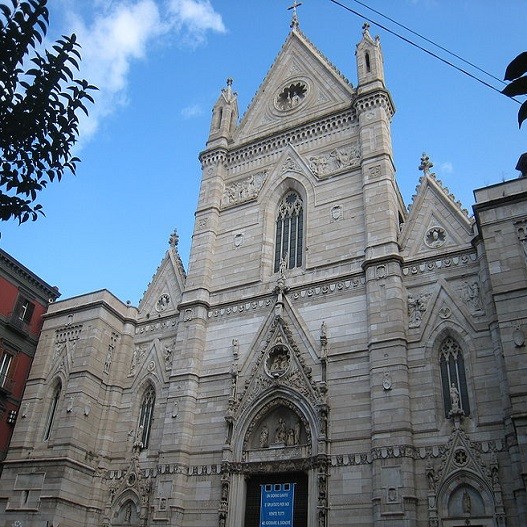
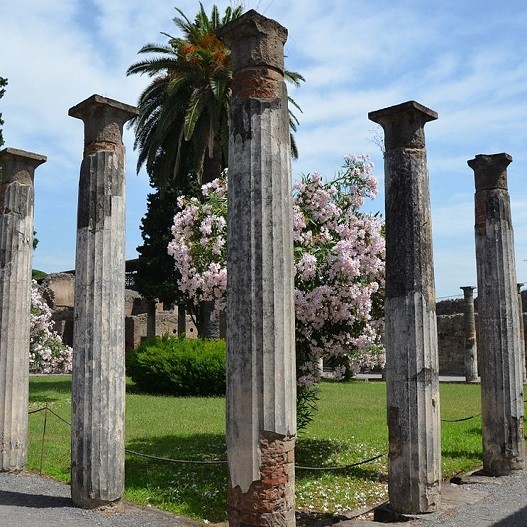
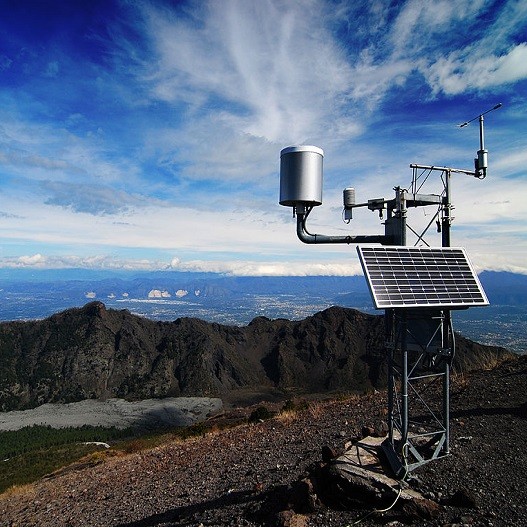
Naples, Sorrento & Pompeii
This area of Italy is known for its outstanding natural beauty, dramatic landscapes, imposing mountains and enchanted islands. School groups have a great choice of study opportunities in this part of Italy.
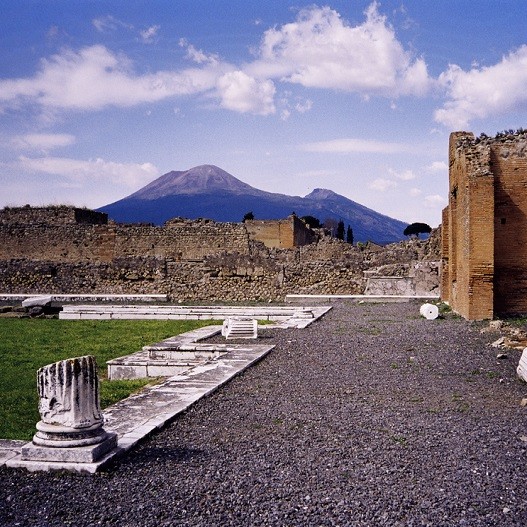
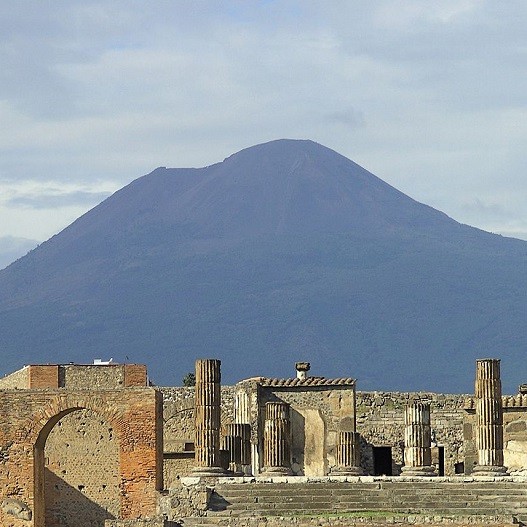
Naples is one of the oldest inhabited cities in the world and played a major role in Greek culture and a key cultural centre of the Roman Republic. It’s historic city centre is the largest in all of Europe and encapsulates over 27 centuries of history. The nearby ancient Roman ruins of the lost cities of Pompeii and Herculaneum are a very popular tourist destination as is the imposing active Mount Vesuvius which buried these two cities.
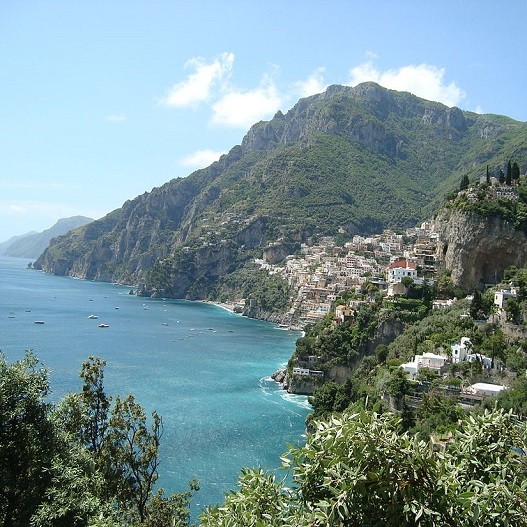
Sorrento is a town which belongs to the City of Naples and overlooks the Bay of Naples and is also the place of the Sorrentine Peninsula which allows views of the city of Naples itself, Mount Vesuvius, and the Isle of Capri. The beautiful coastline has been named a UNESCO World Heritage Site as a cultural landscape and offers some of the most beautiful views anywhere on the planet.
Ask a Question Get a QuoteExample itinerary
Sights & places of interest in Naples, Sorrento & Pompeii to visit
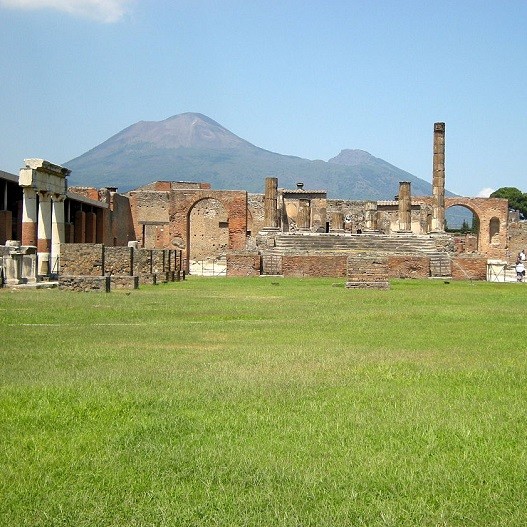
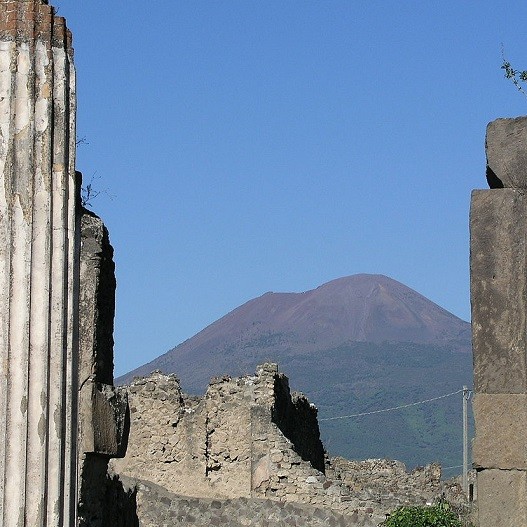
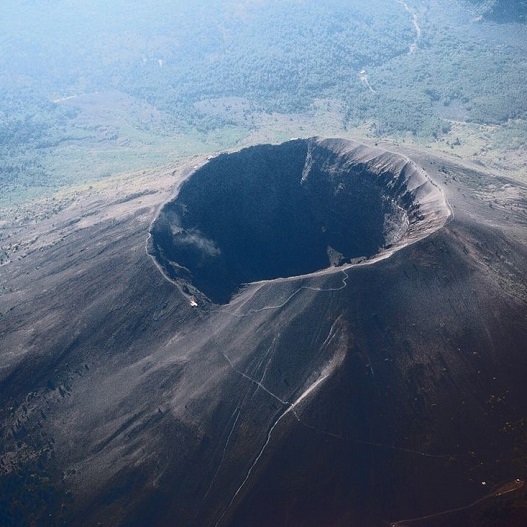 This active volcano located in the Gulf of Naples is probably best known for the eruption of AD 79 which led to the burying of the Ancient roman cities of Pompeii and Herculaneum. The area in which the volcano lies today has been declared a national park and visitors can ascend the volcano by small paths.
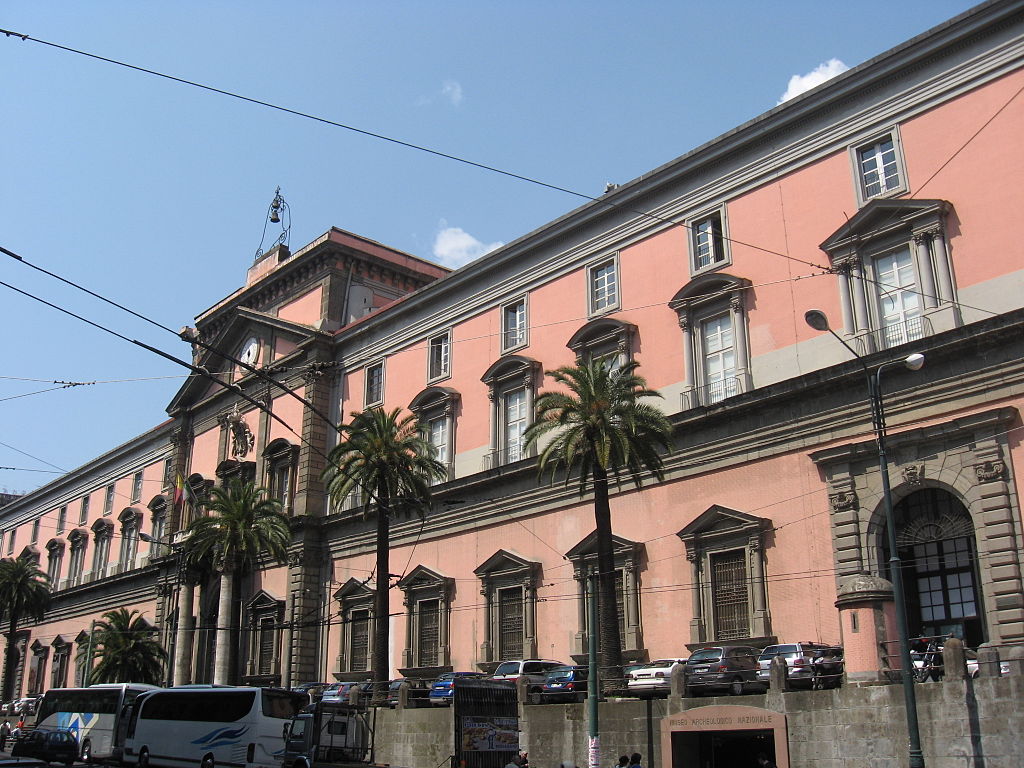 This museum is holds a vast collection of Roman artefacts from Pompeii, Stabiae, and Herculaneum as well as those from Ancient Greece, Roman and Renaissance times. It is widely considered to be one of the most important archaeological museums in the world. The collection varies from ancient sculptures to mosaics, and bronzes.
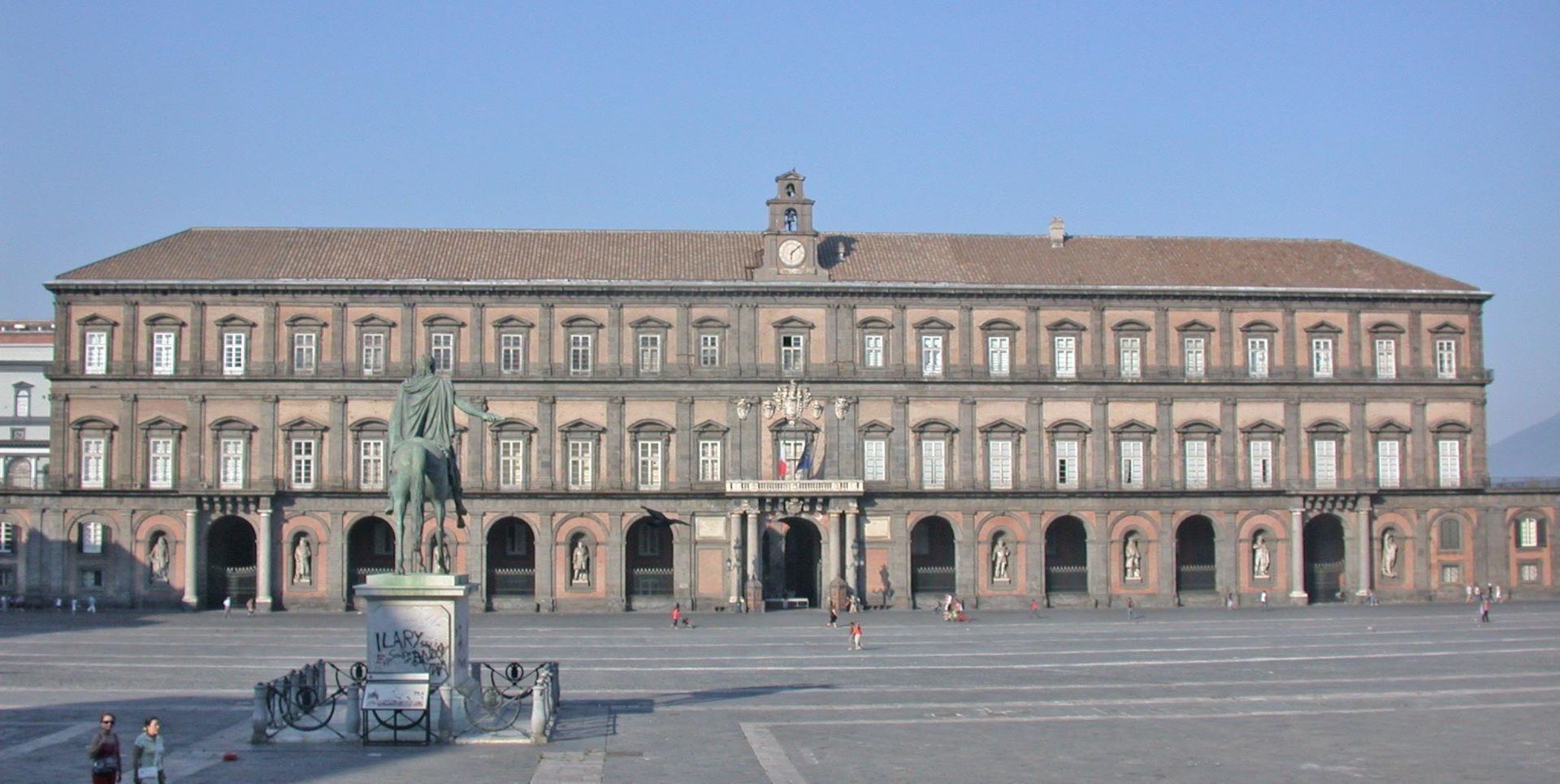 This royal palace was used by the Bourbon Kings during their reign and located in central Naples. Throughout its history it was home to Charles III of Spain, and Vittorio Emanuele III amongst others.
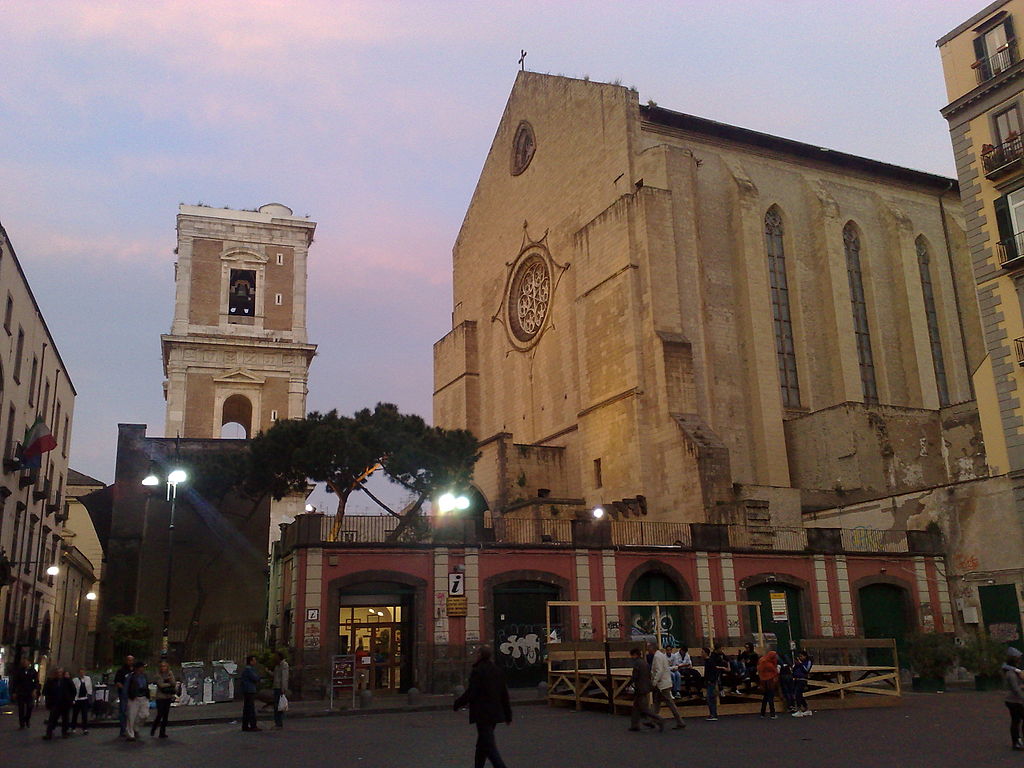 This religious site in Naples contains a church, monastery, and an archaeological museum. The Basilica of Santa Chiara was built in the early 14th century by Queen Sancha of Majorca and King Robert of Naples.
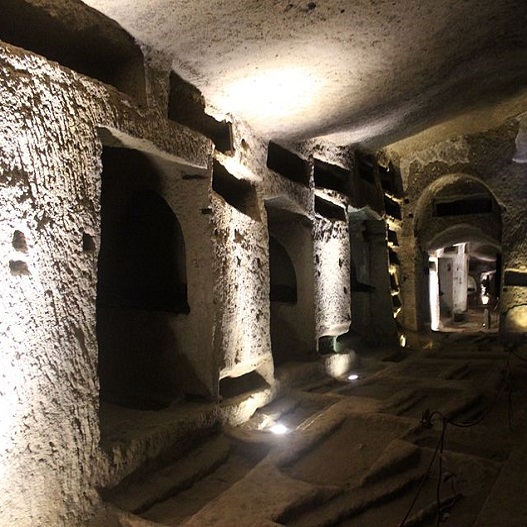 The catacombs are located on the northern part of the city and were a Christian burial site for centuries ever since Gennaro was made a saint in the 5th century.
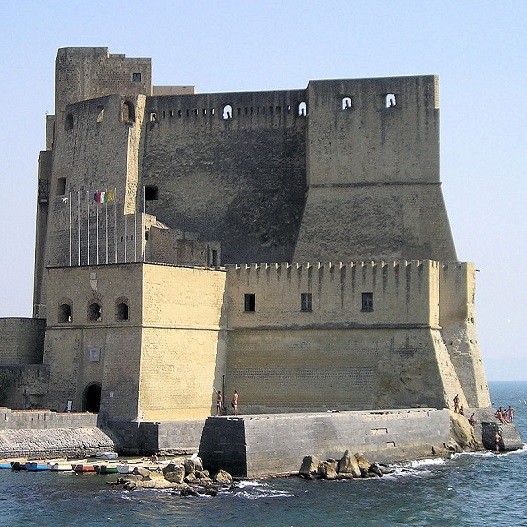
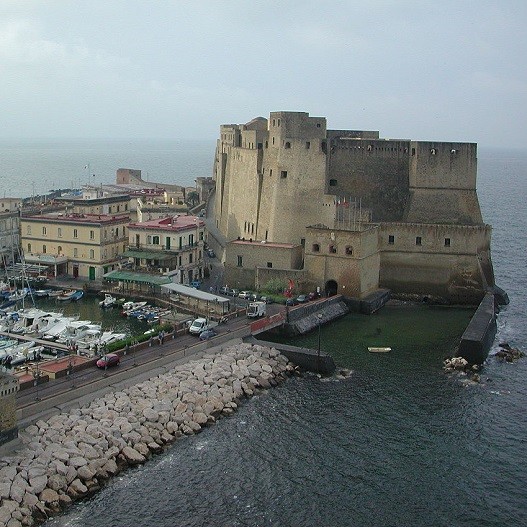
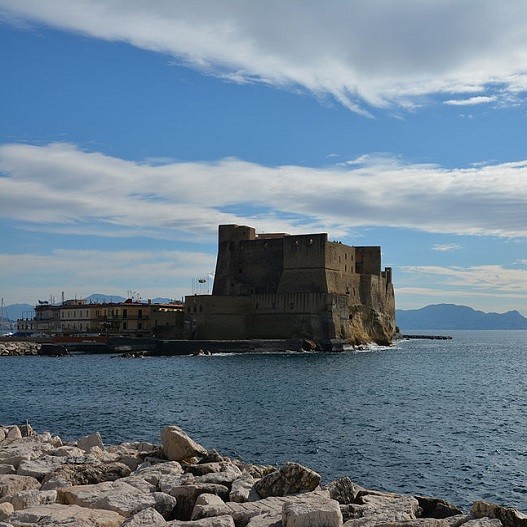
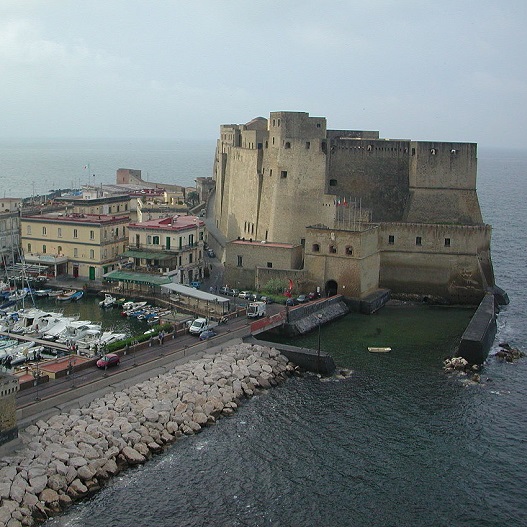 This seaside castle located on a peninsula on the Gulf of Naples is the oldest fortification in Naples. Today, the castle and the area around it has developed into a fishing village and inside the castle walls there are many exhibitions and other events which take place.
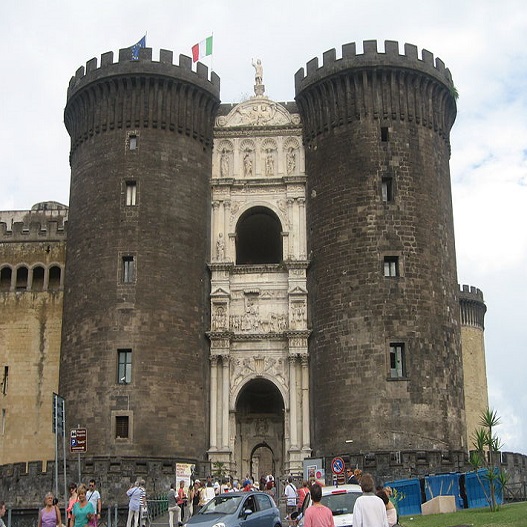 This medieval castle is located on the Piazza Municipio and next to the city hall. Its very large size and imposing towers makes it one of the main architectural sights of the city. First, built around 1279 for the Charles I of Naples so that he could move the capital of the Kingdom of Naples from Palermo.
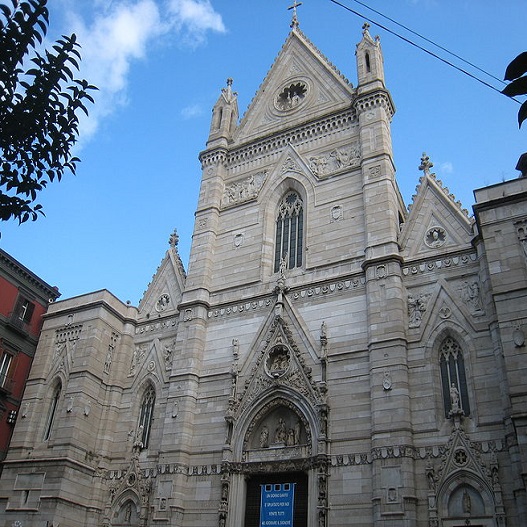 This main church in Naples is the seat of the Archbishop of Naples and was used as a church since the 13th century when it was commissioned by Charles I of Naples.
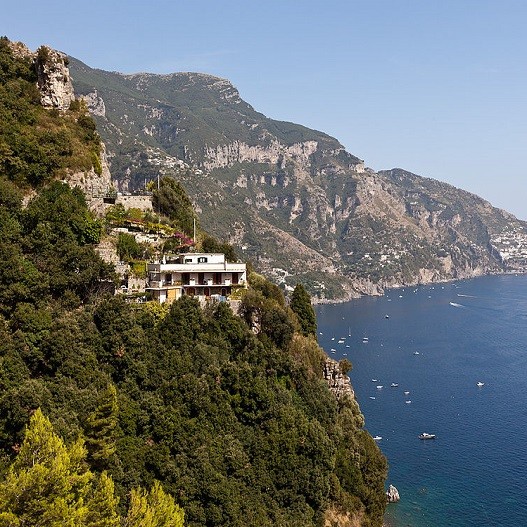
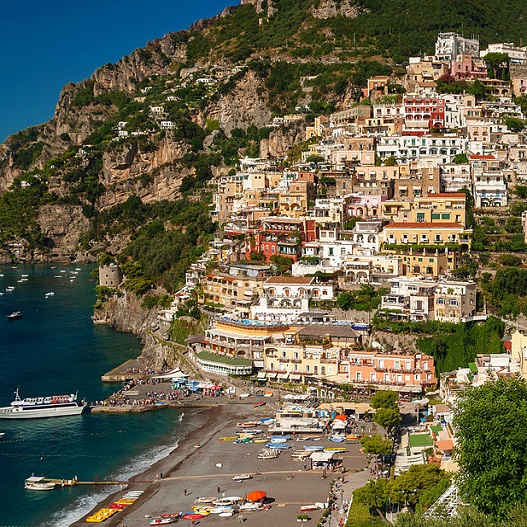 The coastline on the southern coast of Sorrento is known as the Amalfi Coast and is a popular destination for tourist to the region. The coastline lies in a Mediterranean climate which offers warm temperatures during the summer and lush vegetation.
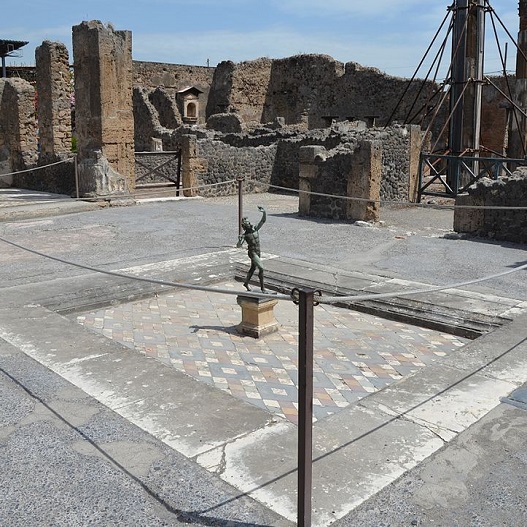 The ancient Roman city of Pompeii near Naples is famous for being completely buried under hot ash and rock during the eruption of Mount Vesuvius back in AD 79. The town which originally was founded around the 6th century BC was a prosperous Roman city with magnificent villas, amphitheatre, gymnasium, and a port. The town was rediscovered in 1599 and later in 1748. Today, it is a UNESCO World Heritage Site which attracts millions of visitors each year.
Naples, Sorrento & Pompeii on the Map
Naples, Sorrento & Pompeii video
Naples, Sorrento & Pompeii Tour is suitable for
School Types:
Secondary Schools 6th Form Colleges Universities
School Subjects:
Art & Design Tours Business Studies Tours Drama & Performing Arts Tours Food Technology Tours General / Cultural Tours Geography Tours History Tours Media & Fim Studies Tours Music Tours Psychology & Sociology Tours Religous Studies Tours Science Tours
Tailor Made Naples, Sorrento & Pompeii Tours
Would you like to get more? Plan your class excursion just the way you want. Let us know about your “Tailor Made” requirements.
Contact us about tailor made Naples, Sorrento & Pompeii tours